


If you’ve been putting it off, you’re not alone. We speak to homeowners across Leeds every week who’ve been meaning to book a boiler service appointment but never quite get round to it. The heating works, the hot water’s fine and life gets busy.
But here’s the honest answer to the question we get asked all the time: What happens if you don’t service your boiler? In short, you increase the risk of breakdowns, higher bills and in some cases serious safety issues. It might tick along for a while, but you are gambling with one of the most important systems in your home.
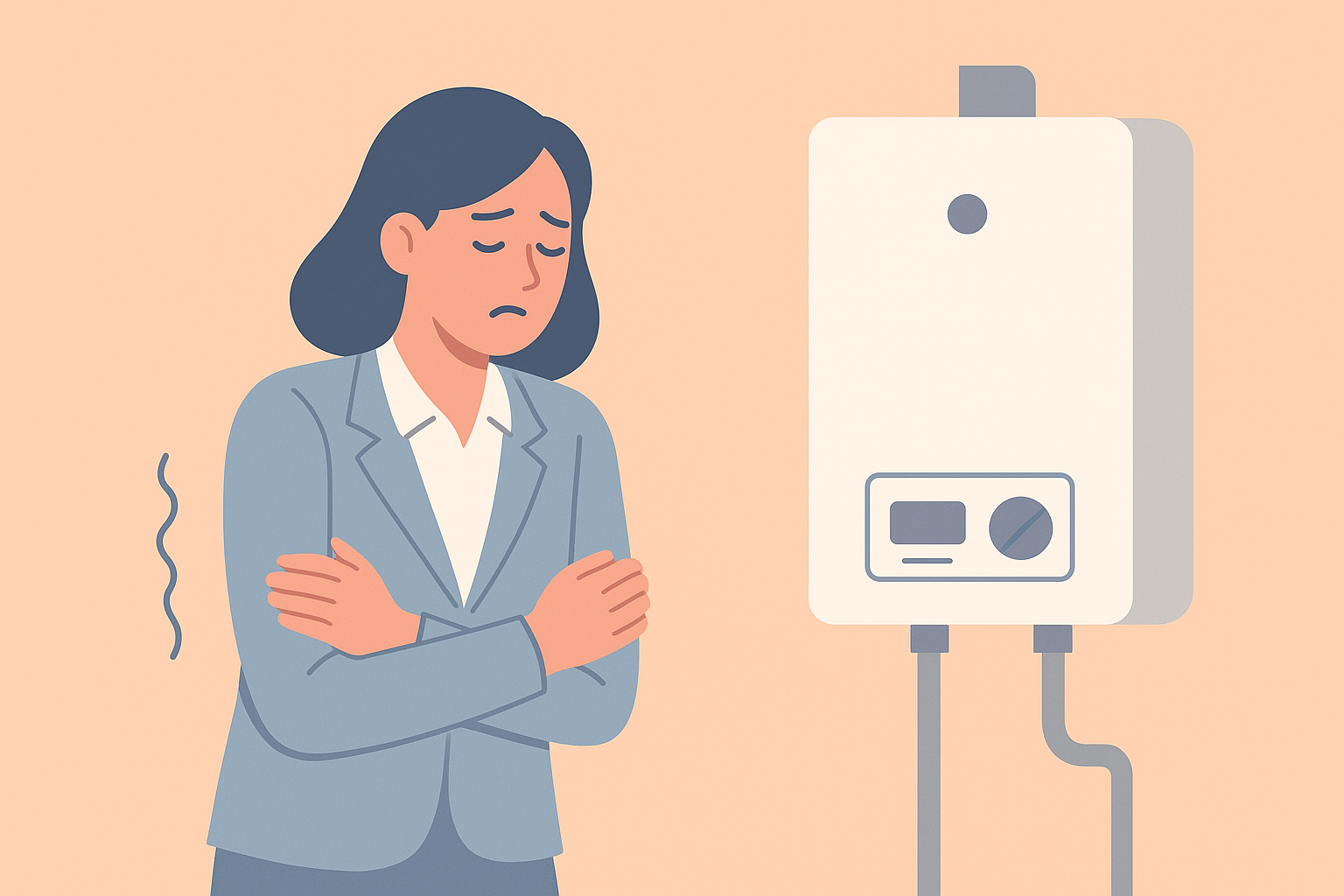
1. Small issues turn into big breakdowns
Most boiler breakdowns we attend in Leeds, Horsforth and Wetherby don’t come out of nowhere. They build up slowly.
A seal starts to perish. A component begins to wear out. Sludge develops in the heat exchanger. None of these things necessarily stop your boiler working straight away. But left unchecked for a year or two, they can lead to a complete failure.
During a routine service, we strip parts down, check for corrosion, clean key components and test controls. It’s a bit like an MOT for your car. You’d never drive for years without checking under the bonnet. Your boiler deserves the same attention.
Common faults we see after missed services
- Blocked condensate pipes
- Frozen or split seals
- Pumps seizing up through lack of movement
- Ignition faults caused by dirty components
- Pressure issues linked to undetected leaks
Many of these problems are preventable or much cheaper to deal with if caught early. Left too long, they can mean emergency call-outs on the coldest day of the year. And in Leeds, that usually lands right in January when everyone’s boiler decides to give up at once.
2. Your energy bills creep up
A boiler that isn’t serviced tends to run less efficiently over time. Dust builds up inside. Burners become less effective. Internal parts have to work harder than they should.
You probably won’t notice a dramatic jump overnight. It’s more subtle than that. But we do see properties in places like Horsforth where the heating bills have slowly increased year on year. Often, the homeowner assumes it’s just energy prices rising.
When we finally service the boiler, clean it properly and set it up correctly, it runs more smoothly and more efficiently. In some cases, pressure and temperature settings have been wrong for years.
If your boiler is cycling on and off more than usual, making unusual fan noises or taking longer to heat radiators, it can be a sign it needs attention.
3. You could invalidate your warranty
This one catches people out.
Most boiler manufacturers require annual servicing to keep the warranty valid. Miss one year and technically you may not be covered, even if the boiler is only three or four years old.
We’ve had awkward conversations with customers in Wetherby who assumed a costly part would be replaced under warranty, only to find the service record was incomplete.
Servicing isn’t just about keeping it running. It protects the investment you made when it was installed.
4. Safety risks increase
This is the most important point.
Modern boilers are very safe. They’re packed with sensors and shut-off mechanisms. But they still burn gas. And any appliance that burns gas needs regular checks.
During a service we check:
- Gas pressure and flow
- Flue integrity and sealing
- Combustion readings
- Signs of carbon monoxide leaks
- Ventilation
Carbon monoxide is odourless and invisible. You would not know it’s there without proper testing equipment. While serious faults are rare, we have found unsafe flues and poor combustion readings in properties where the boiler hadn’t been serviced for several years.
If you ever notice sooty marks around the boiler, excessive condensation or a yellow pilot flame on older appliances, get it checked urgently.
5. Your boiler’s lifespan shortens
A well-maintained boiler can last 12 to 15 years, sometimes longer.
One that’s neglected might struggle to reach 8 to 10 years before major components fail. Heat exchangers in particular don’t cope well with sludge, scale or ongoing internal corrosion.
Replacing a boiler is a significant expense and usually comes at the worst possible time. Most breakdowns we attend are during cold snaps when systems are under maximum strain.
Regular servicing won’t guarantee it never breaks down. Nothing can promise that. But it does dramatically improve the odds.
6. It always seems to fail in winter
There’s a reason engineers get swamped between November and February.
A boiler that’s been sitting relatively idle over summer suddenly has to work hard every day. Weak components give up. Blockages show themselves. Fans and pumps that haven’t been checked struggle.
We often hear: “It was fine yesterday.”
In reality, it hasn’t been completely fine for a while. The problems just haven’t surfaced yet.
Servicing in late summer or early autumn is ideal. It gives you confidence going into the colder months rather than worrying every time the temperature drops in Leeds.
So, what happens if you don’t service your boiler?
To sum it up clearly:
- You increase the risk of unexpected breakdowns
- You may pay more on your energy bills
- You could void your manufacturer’s warranty
- You allow potential safety issues to go unnoticed
- You shorten the overall lifespan of the boiler
Some boilers will appear to cope without servicing for a year or two. That can give a false sense of security. But when they do fail, the repair is often more expensive than the cost of regular upkeep would have been.
We never pressure homeowners. It’s your decision. But from years of working inside cupboards, airing cupboards and kitchen units across the area, the pattern is clear. The boilers that are serviced yearly are almost always in better condition than those left untouched.
If yours hasn’t been looked at in a while, it’s worth sorting before it becomes urgent. The team at R.J Heating & Plumbing work across Leeds and surrounding areas helping homeowners keep their systems safe and reliable.
If you’d like peace of mind before next winter hits, contact us and book your boiler service today.